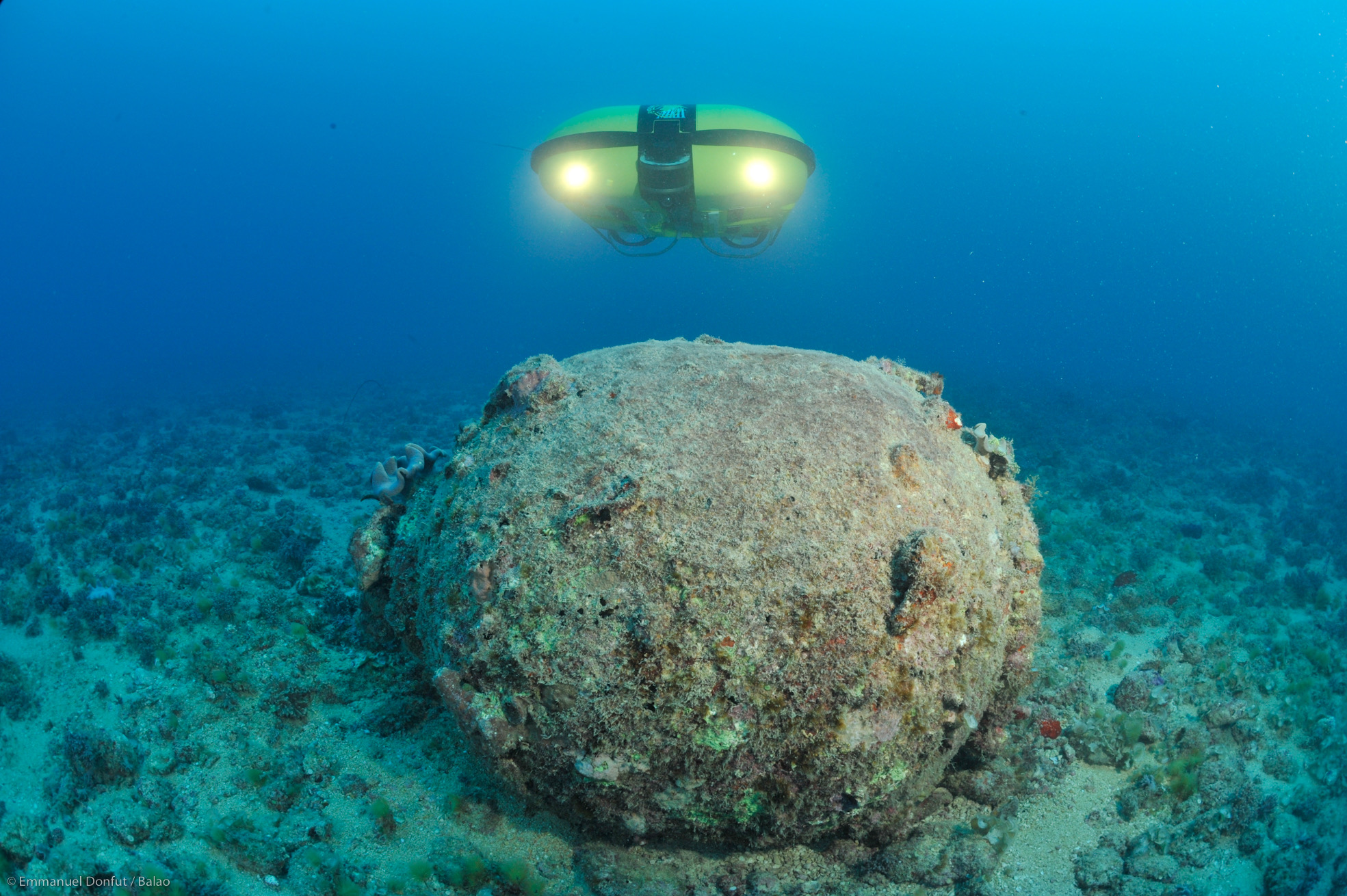
In 1989, an Australian parliamentary inquiry warned that “the inability of a nation to counter offensive mining is both obvious and easily exploited.” Nearly 40 years later, that warning still feels relevant.
Australia relies heavily on maritime trade, with most of it moving through a small number of key ports, harbours and chokepoints. That creates a clear vulnerability. If one of these waterways was closed off from sea mines, the economic and geopolitical impact would be immediate and significant.
The same inquiry states “It is clear that an MCM capability must rank equally in the RAN’s force structure with submarine and surface warship programs”.
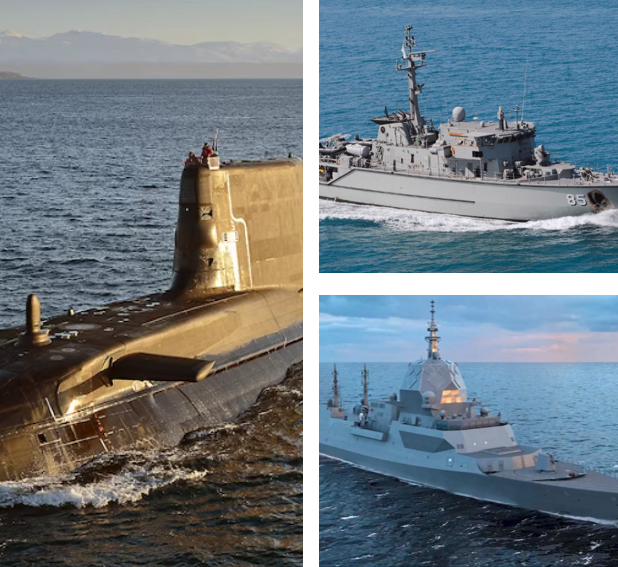
This seems as pertinent today as it was back then. I don’t necessarily believe comparing these capabilities is useful in terms of funding; however, if MCM was recognised as a fundamental requirement and afforded just 10% of the funding for the Hunter-class frigate program or AUKUS, Australia would have a world-class MCM capability and would be very well prepared to respond to mining threats at home or overseas.
Mines are cheap, adaptable and can be laid covertly. They offer significant value to a proxy, non-state actor or outmatched military force because they can impose disproportionate cost and disruption for a relatively small investment.
In any military conflict against Australia, we should assume that sea mines will be deployed in our strategically valued ports and harbours. And we must have an effective method to clear those waterways and restore access for shipping, before it happens.
Persistent underinvestment and a lack of long-term planning mean Australia’s MCM capability is struggling to keep pace with the threat. We are now down to a small number of Mine Hunter Coastal vessels, supported by relatively modest autonomous capabilities. For an island nation that prides itself on resilience and self-reliance, allowing this vital capability to steadily erode over many years should be a serious concern.
Australia’s geography has not changed since 1989, and we are as vulnerable to the threat of sea mines now as we were then. What appears to have shifted is the level of appreciation for that risk.
Relevant extract from the 1989 parliamentary inquiry: JCFADT Report – Page 24
Link to parliamentary report above
Leave a Reply
You must be logged in to post a comment.