Category: Opinion

Author opinions

  • Australia’s Declining MCM Capability

    Australia’s Declining MCM Capability

    In 1989, an Australian parliamentary inquiry warned that “the inability of a nation to counter offensive mining is both obvious and easily exploited.” Nearly 40 years later, that warning still feels relevant.

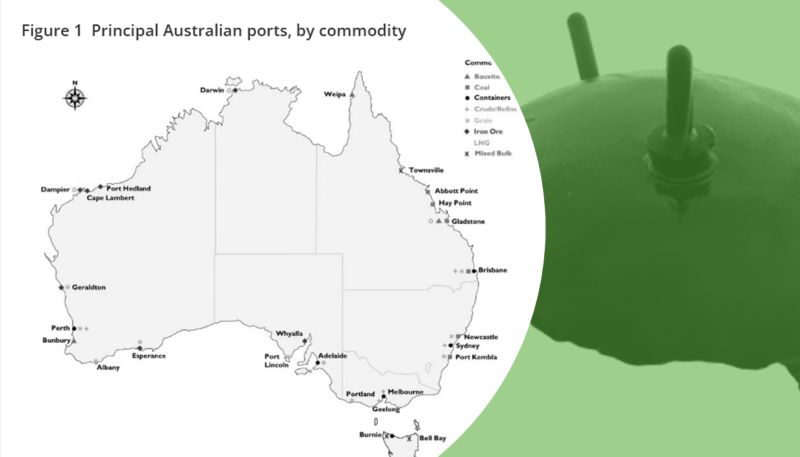
    Australia relies heavily on maritime trade, with most of it moving through a small number of key ports, harbours and chokepoints. That creates a clear vulnerability. If one of these waterways was closed off from sea mines, the economic and geopolitical impact would be immediate and significant.

    The same inquiry states “It is clear that an MCM capability must rank equally in the RAN’s force structure with submarine and surface warship programs”.

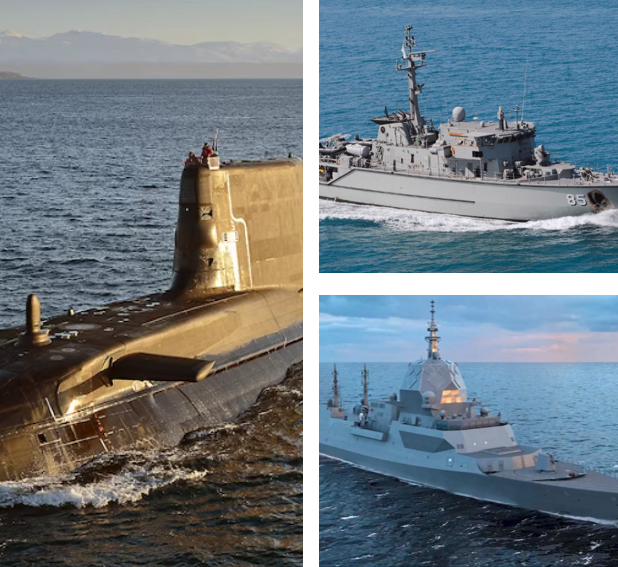
    This seems as pertinent today as it was back then. I don’t necessarily believe comparing these capabilities is useful in terms of funding; however, if MCM was recognised as a fundamental requirement and afforded just 10% of the funding for the Hunter-class frigate program or AUKUS, Australia would have a world-class MCM capability and would be very well prepared to respond to mining threats at home or overseas.

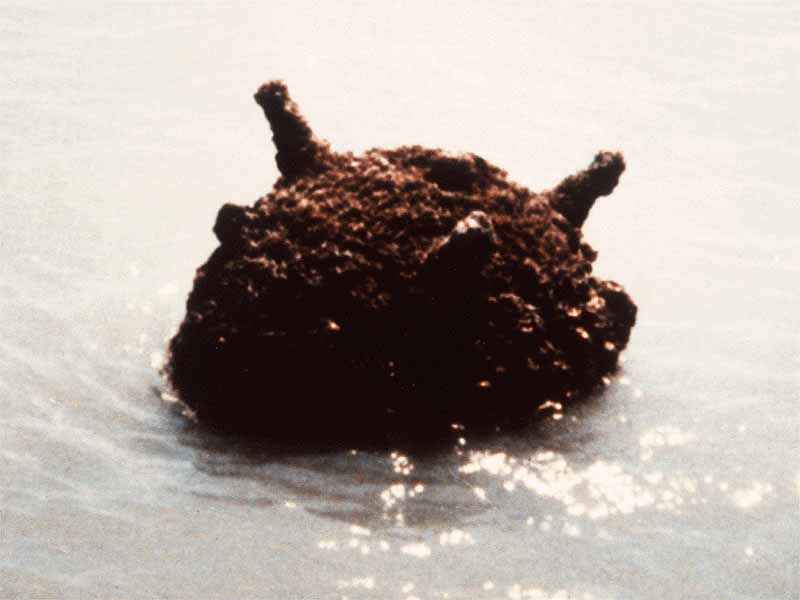
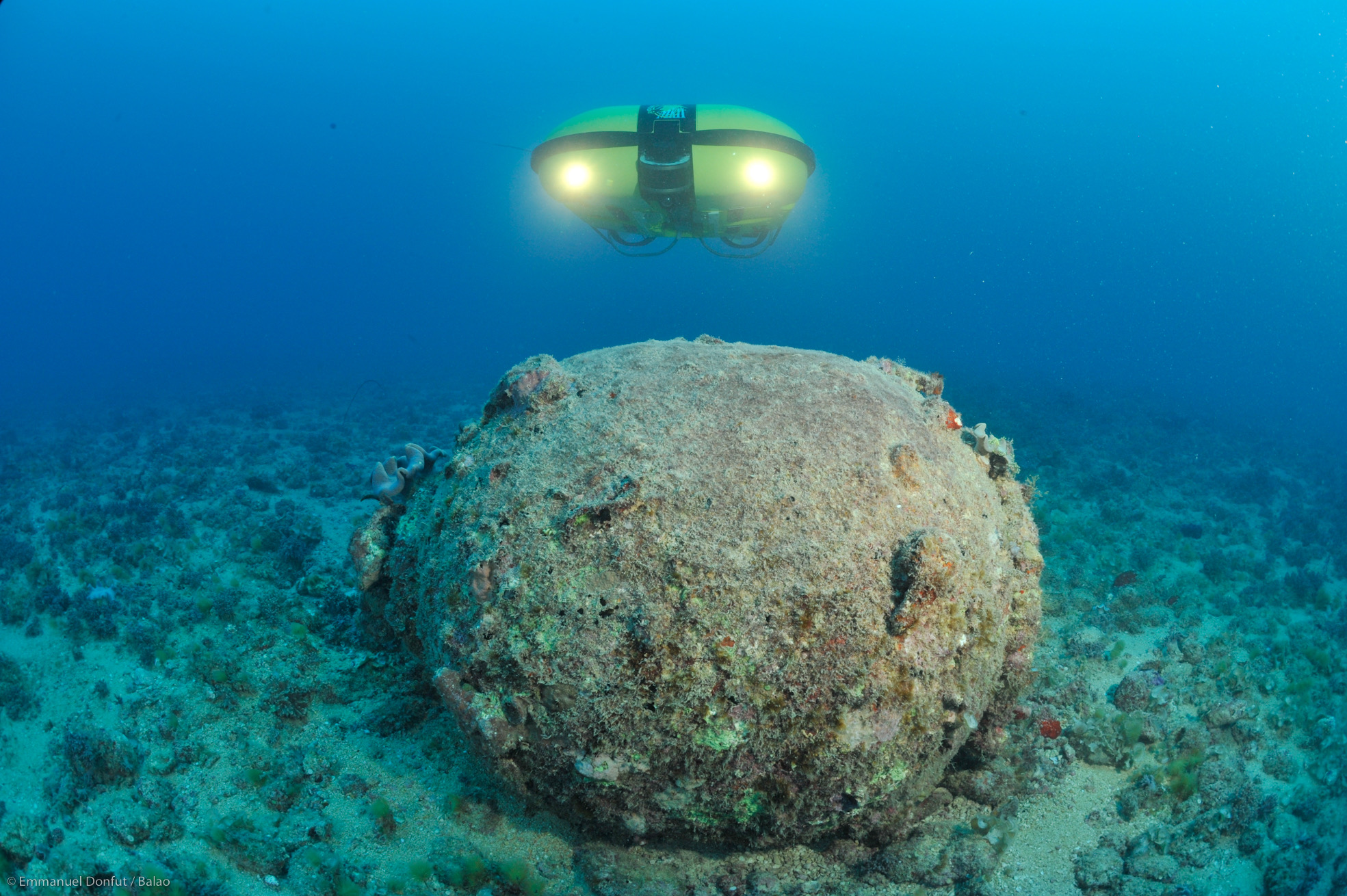
    Mines are cheap, adaptable and can be laid covertly. They offer significant value to a proxy, non-state actor or outmatched military force because they can impose disproportionate cost and disruption for a relatively small investment.

    In any military conflict against Australia, we should assume that sea mines will be deployed in our strategically valued ports and harbours. And we must have an effective method to clear those waterways and restore access for shipping, before it happens.

    Persistent underinvestment and a lack of long-term planning mean Australia’s MCM capability is struggling to keep pace with the threat. We are now down to a small number of Mine Hunter Coastal vessels, supported by relatively modest autonomous capabilities. For an island nation that prides itself on resilience and self-reliance, allowing this vital capability to steadily erode over many years should be a serious concern.

    Australia’s geography has not changed since 1989, and we are as vulnerable to the threat of sea mines now as we were then. What appears to have shifted is the level of appreciation for that risk.

    Relevant extract from the 1989 parliamentary inquiry: JCFADT Report – Page 24

    Link to parliamentary report above
  • Mines and Australia’s Sea Trade

    Australia talks a lot about submarines. And not enough about sea mines.


    Mine warfare remains one of the cheapest, fastest, and most effective ways to create strategic disruption.

    That point came through clearly in a recent discussion featuring Jennifer Parker on mine warfare and maritime vulnerability, and it deserves far more attention in Australia.

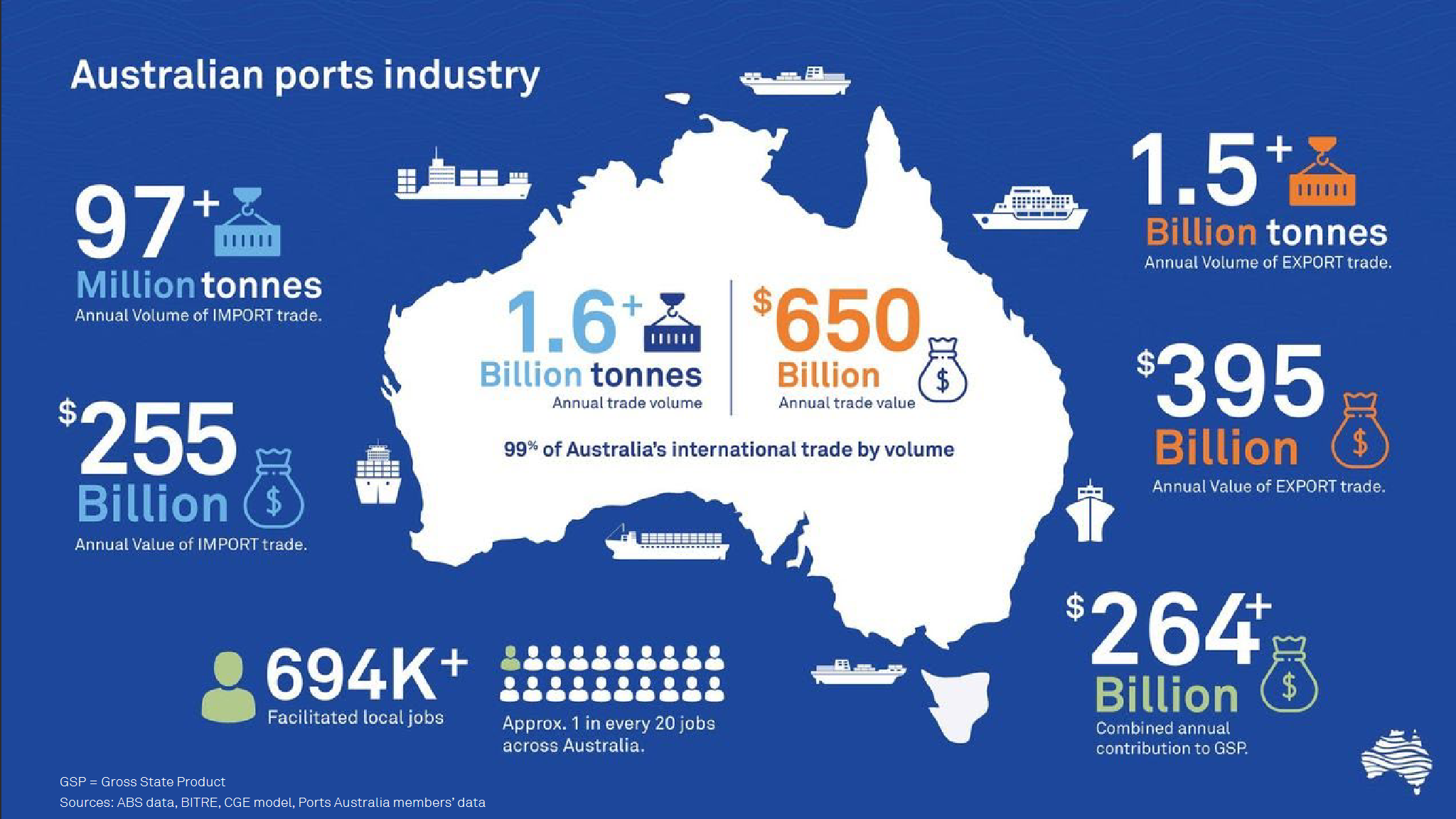
    Around 99% of Australia’s trade moves by sea, and approximately 91% of our fuel is imported. A small number of sea mines could disrupt ports, choke points, fuel imports, and debilitate commercial confidence. This has been well demonstrated by Iranian actions in the Strait of Hormuz. Simply declaring an area mined can be enough to halt shipping.

    Ports Australia – 2024 Economic Impart Study – State of Trade.

    Jennifer also raised an uncomfortable but important reality: the cancellation of SEA 1905 appears to have left Australia quite exposed at a time when mine warfare threats are becoming more relevant, not less.

    Mine warfare is rarely discussed in Australia compared with submarines, frigates, and other headline capabilities. Yet relative to those investments, mine warfare is significantly cheaper, and arguably just as critical.

    If Australia expects to protect trade routes, ports, and forward operating areas, it needs a credible mine countermeasures capability, including the ability to deploy it where and when required.

    The second half of the discussion focused on autonomy and unmanned systems. These technologies absolutely matter and will play an increasingly important role. But autonomy alone is not a silver bullet.

    Australia’s challenges include geography, access to launch and recovery sites, logistical support, and operating under real world threat conditions. Effective mine countermeasures remain far more complex than they may first appear.

    That is why some approaches by other nations are worth watching closely, particularly those that combine remote and autonomous systems with low signature crewed platforms.

    These platforms are able to operate outside a mine threat area, but also enter it when necessary, appear closer to the emerging gold standard than any “autonomy solves everything” narrative.

    This was an important conversation, and one Australia should be having more openly, more honestly, and with greater urgency.

  • The Psychology of Mine Warfare… It gets in your head.

    The Psychology of Mine Warfare… It gets in your head.

    The Psychology of Mine Warfare: It gets in your head.

    Just the thought of a sea mine can cripple shipping. Over the last 170 years, sea mines have demonstrated that their greatest weapon is fear and doubt. They don’t need to detonate to shape strategy, the mere belief that waters may be mined is often enough to halt convoys, close ports, and change war plans.

    The Dardanelles – 1915
    In the confined waters of the Dardanelles, the Ottoman Empire (supported by German expertise) laid minefields that stopped a powerful Allied fleet in its tracks.

    Losses were significant, and uncertainty ruled the strait. With no reliable feedback on what had been cleared and what mines remained, commanders withdrew. The result was strategic paralysis; this naval campaign was replaced by a costly and flawed land invasion. The Allies weren’t only defeated by the mines, but by the fear of them.

    World War II – Japan’s Paralysis
    Three decades later, an Allied aerial minelaying campaign (mainly using B-29s, and supported by Catalinas), turned Japan’s home waters into a psychological minefield.

    During Operation Starvation, thousands of mines were laid across critical straits and approaches, sinking more ships per month than submarines, and left 9% of Japan’s merchant fleet immobilised in a single area. By mid-1945, Japan’s industry was strangled as much by anxiety as it was by explosions.

    Gulf War – The Shock of 1991
    Iraq’s extensive sea-mining campaign produced minimal detonations but maximum disruption. On 18 February 1991, USS Tripoli struck a mine; eight hours later, USS Princeton also suffered a mine strike.

    The coalition advance had been stopped cold. Crews described “a feeling of paranoia, even floating trash looked like mines.” These two detonations shook confidence, stalled momentum, and triggered a global re-think about the value for money and enduring threat of sea mines.

    Black Sea – The Modern Nuisance Effect
    In the Black Sea, both drifting and deliberately placed buoyant mines have disrupted shipping, delayed grain exports, and spiked insurance rates. The economic impact stems less from physical damage and more from doubt, a familiar pattern repeated throughout history.

    Why the Effect Endures
    When minefield feedback is unclear, behaviour polarises. Commanders often press on recklessly or stop entirely. Fear and hesitation are the most reliable indicators of a mine’s success, not necessarily the explosion itself.

    Could It Happen Again?
    Modern autonomy, AI, and the ability to share data may well shorten the delay, but human psychology hasn’t changed. The belief that a mine might be there will still trigger caution, slow operations, and shape decisions.

    It’s a reminder that in mine warfare, technology and systems might clear the water, but only effective preparation, training, and feedback can clear the mind.