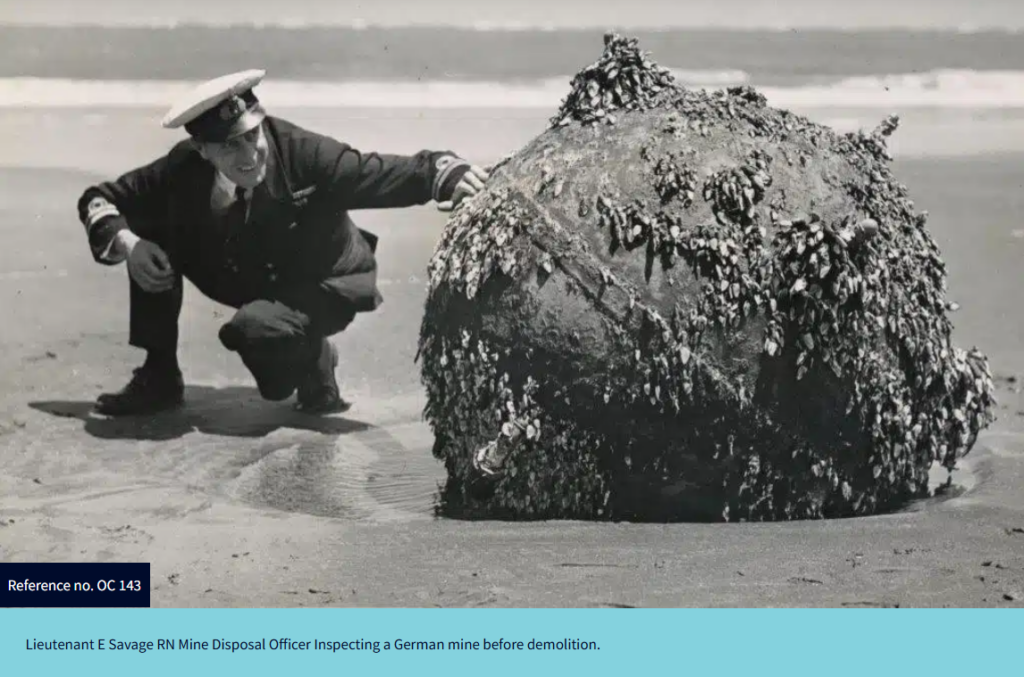
On this day, 19 June 1940, a single sea mine brought World War II to New Zealand’s home shores.
Just five days earlier, the German auxiliary cruiser Orion had slipped undetected into New Zealand waters and laid 228 mines in the approaches to the Hauraki Gulf.
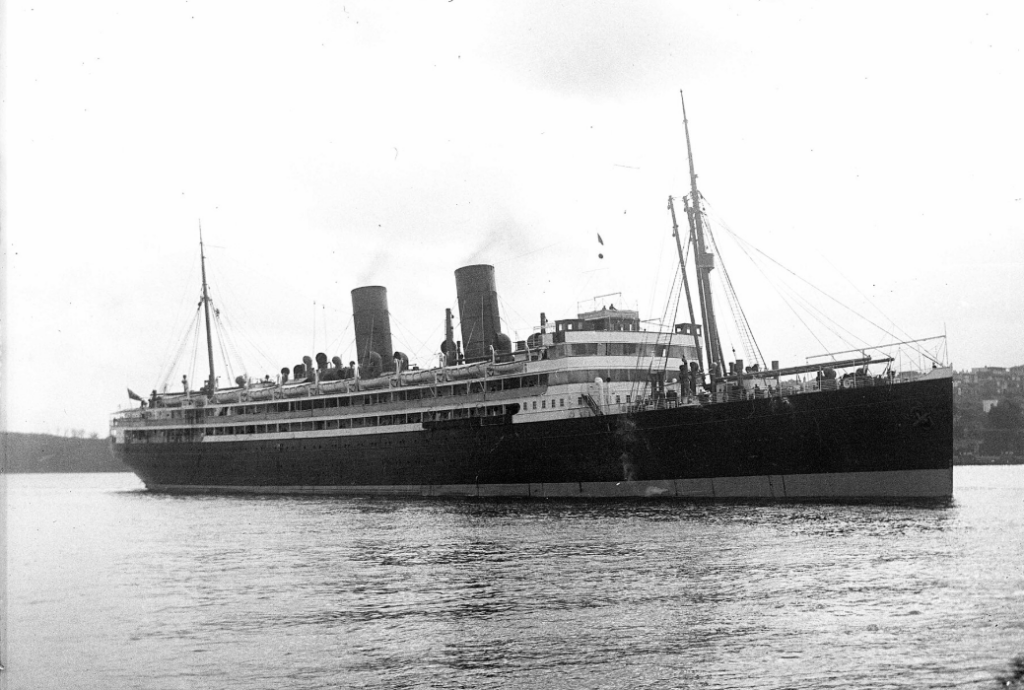
In the early hours of 19 June, the trans-Pacific liner RMS Niagara struck one of those mines and sank off Bream Head.
An interesting aspect of this story is Niagara’s colourful history. Known as the “Queen of the Pacific”, she spent almost three decades linking Australia, New Zealand, Fiji, Hawaii and Canada, carrying passengers, mail and cargo across the Pacific.
On her final voyage, she was carrying a secret cargo of 590 gold bars and ammunition destined for the Allied war effort. Most of the gold was later recovered through diving expeditions, although three gold bars remain unaccounted for.
As a direct result of lessons learned from the Titanic disaster, Niagara carried sufficient lifeboats and life rafts for all passengers and crew. While the ship was lost, every person onboard survived.
In May 1941, the New Zealand minesweeper Puriri struck another of Orion’s mines while transiting to conduct minesweeping operations. Of the 31 personnel onboard, five were killed and 26 were rescued from the cold waters of the Hauraki Gulf.
For mine warfare practitioners, Niagara remains a powerful reminder of the strategic value of sea mines. Orion never engaged either vessel directly. Instead, a well-laid minefield generated significant operational, economic and psychological effects, demonstrating how an unseen threat can influence maritime operations far beyond the cost of the weapon itself.
More than 85 years later, that lesson remains highly relevant. As recent events in the Strait of Hormuz have demonstrated, uncertainty, perceived risk and the possibility of maritime disruption can influence the behaviour of shipping companies, insurers and mariners long before a waterway is physically closed.
Leave a Reply
You must be logged in to post a comment.