Category: Historical

  • On this day 24 July 1987

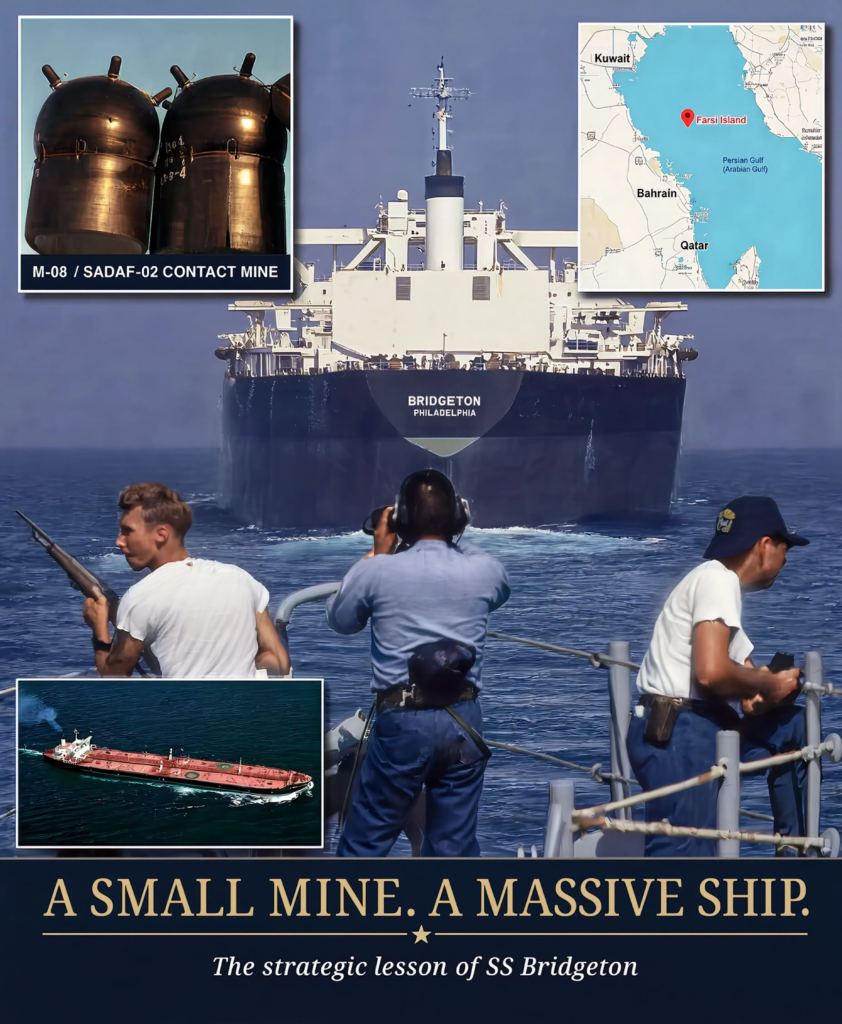
    39 years ago today, on 24 July 1987, the supertanker SS Bridgeton struck an Iranian mine in the Persian Gulf.

    The explosion occurred during the first convoy of Operation Earnest Will, the US mission established to protect reflagged Kuwaiti tankers during the Tanker War phase of the Iran-Iraq War.

    The origins of the crisis stretched back several years. Following Iraqi attacks on Iran’s oil export facilities at Kharg Island in 1984, the conflict spread to commercial shipping. By 1987, more than 200 merchant ships had been damaged in the wider Gulf conflict, insurance costs had surged, and Kuwait sought American protection for its tankers.

    Kuwait’s request for protection led to Operation Earnest Will. At the centre of the first convoy was Bridgeton, one of the largest ships in the world at the time. Originally launched in 1977 as Al-Rekkah, the Ultra Large Crude Carrier measured approximately 352 metres long, 51 metres wide, and could carry around 414,000 tonnes of cargo, fuel, water and stores.

    The convoy’s departure time, route and speed had attracted significant media attention. According to later accounts, Iranian forces laid mines near the well-known transit route around Farsi Island, located beside one of the Gulf’s principal shipping corridors. During the night before the convoy, Iranian forces reportedly laid multiple lines of mines across the route.

    Roughly 13 nautical miles west of Farsi Island, Bridgeton struck a mine. The blast tore a hole approximately 10 metres by 5 metres in steel plating over 27 mm thick. To provide some perspective – a naval warship has five-eighths of an inch steel hull plating. The giant tanker remained afloat, retained propulsion and completed her voyage.

    Captain Walter Seitz later recalled that the shock wave travelled throughout the ship, feeling much like a heavy impact from a large sea wave and powerful enough to almost knock him off his feet.

    With concern that additional mines might be present, the escorting warships fell in behind Bridgeton and followed in her wake through the suspected danger area. This was a practical response to a difficult tactical problem.

    A relatively inexpensive mine had dictated the actions of a USN-escorted convoy and exposed a vulnerability that many Western navies had not seriously confronted since World War II. The incident demonstrated how asymmetric warfare can alter the behaviour of even the most powerful fleets.

    Thirty-nine years later, as attention once again turns to maritime security in the Strait of Hormuz, the same lesson is being relearned, asymmetric warfare can alter the behaviour of even the most powerful fleets.
  • On this day, 5 July 1942

    On this day in 1942, five Allied ships were sunk, two more were damaged, and more than 120 men lost their lives after a convoy inadvertently sailed into a minefield.

    The minefield had been laid by friendly forces.

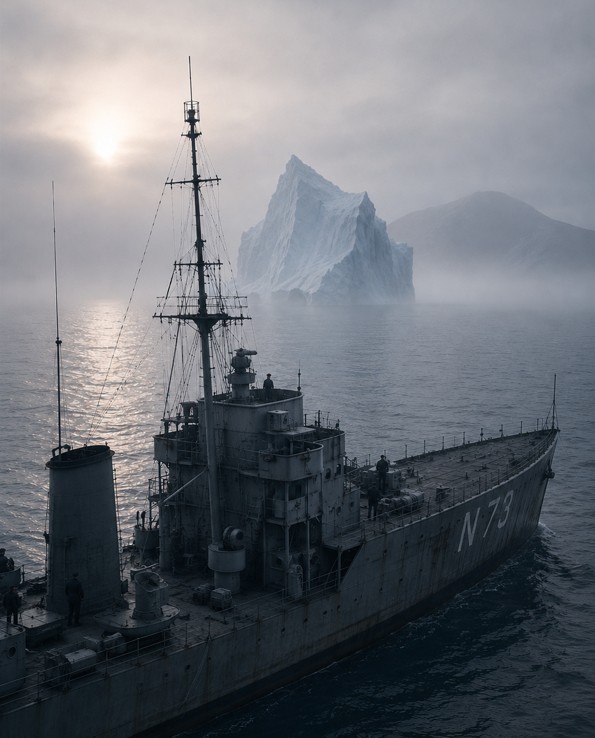
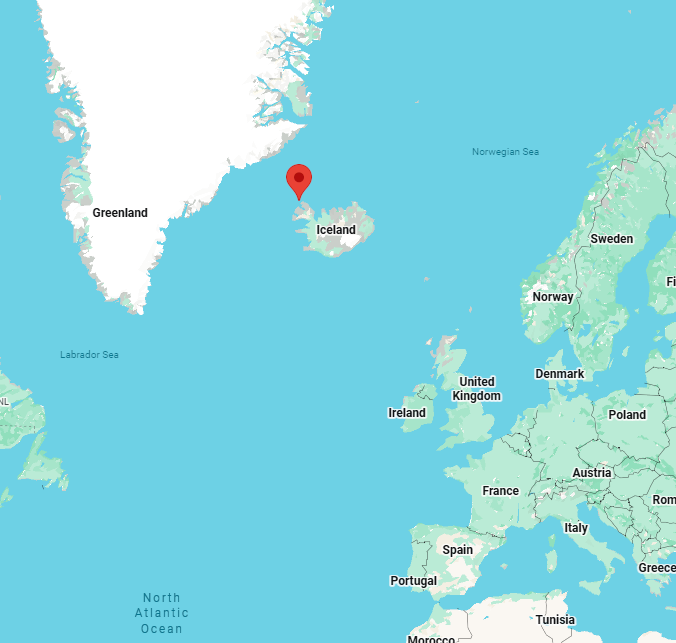
    Following the successful delivery of supplies to the Soviet Union, Convoy QP-13 departed Murmansk for Iceland under the escort of the Royal Navy minesweeper HMS Niger. Its planned route would take it safely around the Northern Barrage, a vast British minefield designed to restrict German naval access to the Atlantic.

    As the convoy approached Iceland, visibility deteriorated in dense Arctic fog. At some point, Niger’s commanding officer believed he had identified the north-west coast of Iceland and altered course accordingly.
    It wasn’t the coast. It was an iceberg.

    Unknowingly, Niger led the convoy directly into one of Britain’s own minefields. Niger struck a mine and sank rapidly. Merchant vessels Heffron, Hybert, Massmar, and Rodina were also lost, while John Randolph and Exterminator suffered severe damage. More than 120 sailors from Niger perished, with only eight crew members surviving.

    Imagine being the commanding officer. Visibility is barely a nautical mile. You believe you’ve fixed your position and made the correct navigational decision. Minutes later, your ship explodes, followed by the merchant ships you are responsible for protecting.

    Those responding to the disaster would not initially have known whether they were dealing with a submarine attack or a minefield, it would have been chaos.

    The tragedy of QP-13 reinforces one of the most enduring lessons in mine warfare. More than 80 years later, technology has changed, but the principle remains the same: accurate navigation and effective information management save lives.

    Whether using paper charts in 1942 or digital command-and-control systems today, success depends on maintaining an accurate, accessible, and trusted understanding of the battlespace. Navigation, record management, and information sharing remain fundamental to preventing losses to friendly forces, commercial shipping, and neutral vessels alike.

    The loss of QP-13 is a sobering reminder that sea mines are inherently indiscriminate weapons. Once laid, they threaten friend and foe alike unless the information surrounding them is managed with absolute precision.

  • On this day 19 June 1940

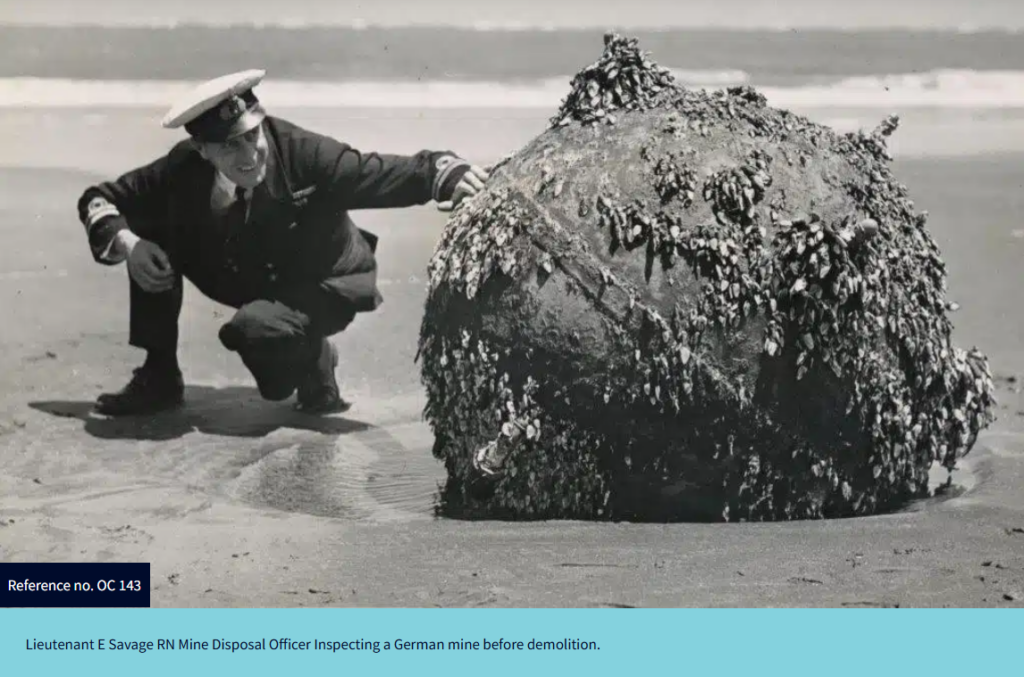
    On this day, 19 June 1940, a single sea mine brought World War II to New Zealand’s home shores.

    Just five days earlier, the German auxiliary cruiser Orion had slipped undetected into New Zealand waters and laid 228 mines in the approaches to the Hauraki Gulf.

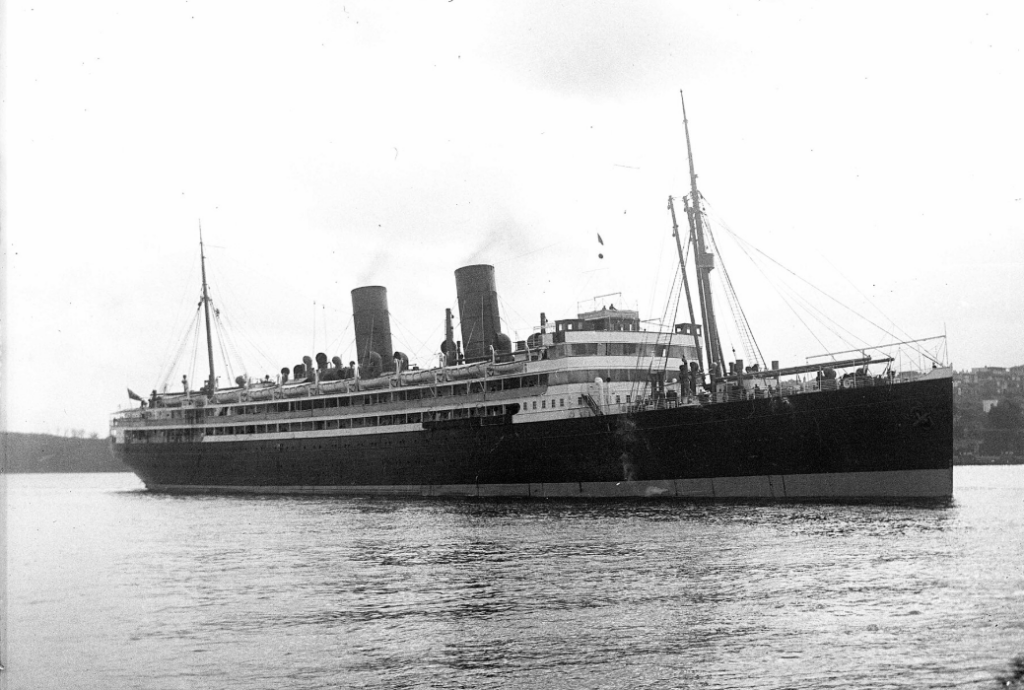
    In the early hours of 19 June, the trans-Pacific liner RMS Niagara struck one of those mines and sank off Bream Head.

    An interesting aspect of this story is Niagara’s colourful history. Known as the “Queen of the Pacific”, she spent almost three decades linking Australia, New Zealand, Fiji, Hawaii and Canada, carrying passengers, mail and cargo across the Pacific.

    On her final voyage, she was carrying a secret cargo of 590 gold bars and ammunition destined for the Allied war effort. Most of the gold was later recovered through diving expeditions, although three gold bars remain unaccounted for.

    As a direct result of lessons learned from the Titanic disaster, Niagara carried sufficient lifeboats and life rafts for all passengers and crew. While the ship was lost, every person onboard survived.

    In May 1941, the New Zealand minesweeper Puriri struck another of Orion’s mines while transiting to conduct minesweeping operations. Of the 31 personnel onboard, five were killed and 26 were rescued from the cold waters of the Hauraki Gulf.

    For mine warfare practitioners, Niagara remains a powerful reminder of the strategic value of sea mines. Orion never engaged either vessel directly. Instead, a well-laid minefield generated significant operational, economic and psychological effects, demonstrating how an unseen threat can influence maritime operations far beyond the cost of the weapon itself.

    More than 85 years later, that lesson remains highly relevant. As recent events in the Strait of Hormuz have demonstrated, uncertainty, perceived risk and the possibility of maritime disruption can influence the behaviour of shipping companies, insurers and mariners long before a waterway is physically closed.

  • On this day 08 May 1942

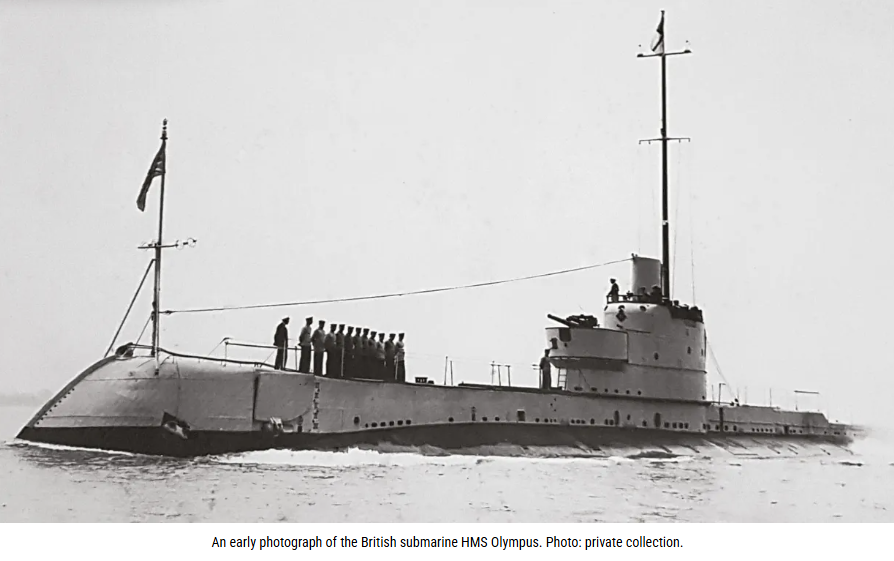
    On this day 84 years ago on 08 May 1942, the submarine HMS Olympus struck a mine shortly after leaving harbour, leading to the death of 89 men and nine survivors.

    Olympus had previously embarked survivors from the submarines Pandora, P36 and P39, which had been damaged and sunk during air raids whilst the submarines were alongside in Malta. Among them were Captain Edmonds of P36 and Captain Marriott of P39.

    Shortly after departure, the Olympus hit a mine. The damage was catastrophic and it quickly became clear she would not survive. The order to abandon ship was given.

    The survivors entered the water approximately seven miles from shore, in temperatures around 10.5°C. What followed was a long swim back to Malta. Many did not make it.

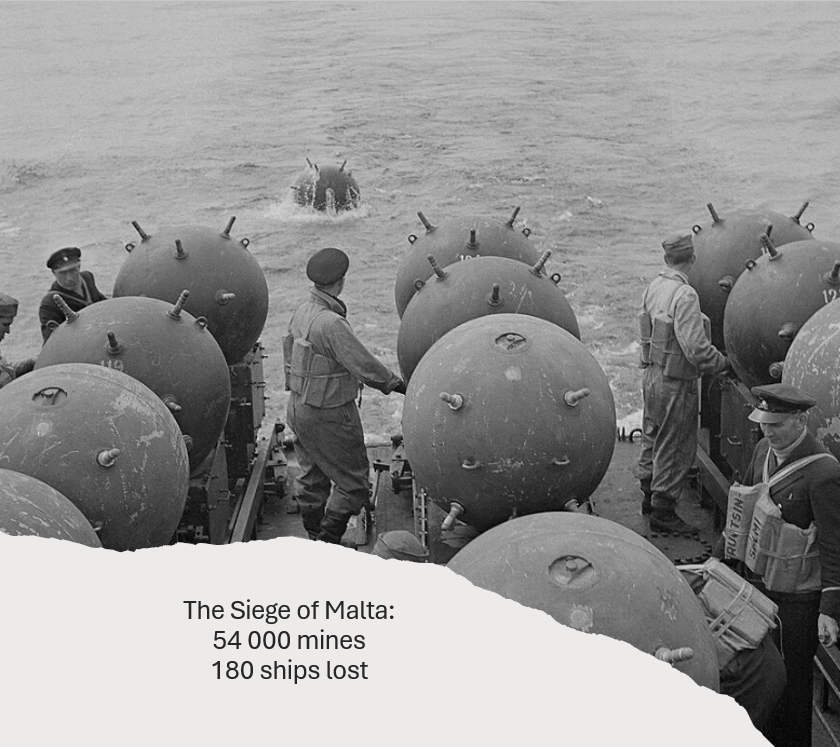
    The Italian mining campaign which took place during the siege of Malta, had been extensive, with around 54 000 sea mines deployed, leading to the sinking of 180 ships.

    A year earlier, on 9 May 1941, the same minefields claimed the SS Empire Song, with 18 killed. The Empire Song caught two mines in her paravanes (protective shields), the mines exploded and the ship caught fire and sank, taking 57 tanks and 10 aircraft with her.

    The use of sea mines had proven very effective. A weapon, that once laid will remain patient until the opportunity to strike appears, often with little or no warning, and often having devastating effects.

    The insidious sea mine continues to cause havoc to this day. The fear, hesitation and chaos this weapon can cause, never ceases to amaze.